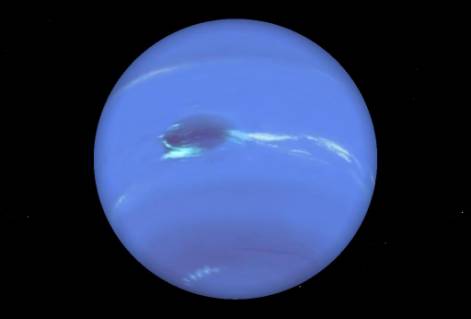
H-Hubble
Hubble Telescope Photos

Hubble
The
Hubble Space Telescope is a robotic telescope located on the outer edge of the
atmosphere, in circular orbit around the Earth at 593 km above sea level, with
an orbital period between 96 and 97 minutes at a speed 28,000 km / h. Named as
a tribute to Edwin Hubble, was launched into orbit on 24 April 1990 as a joint
project of NASA and ESA, thus inaugurating the Great Observatories program. Cylindrically shaped Hubble weighs 11 tons.
Its length is 13.2 m and its maximum diameter is 4.2 meters. The telescope can
obtain images with higher optical resolution
0.1 seconds of arc.

The International Space Station

View from inside the ship

Hubble

First we see the Galaxy Hat, also called M 104 in the Messier catalog, distance of about 28 million light-years it is considered the best photograph taken by Hubble

Now the famous
nebula MZ3, called Fourmi, between 3000 and 6000 light years

Third is the Eskimo Nebula NGC 2392 located 5000 light years

Fourth, we can recognize the impressive Nebula Cat's Eye

Fifth, here is the Hourglass Nebula located 8000 light years away, a beautiful nebula with a narrowing in its central part.

In sixth place we see the Cone Nebula, 2.5 light-years

Seventh, we find a fragment of the Swan Nebula, located at
5500 light years away, described as "a bubbling ocean of hydrogen with
small amounts of oxygen, sulfur and other elements"
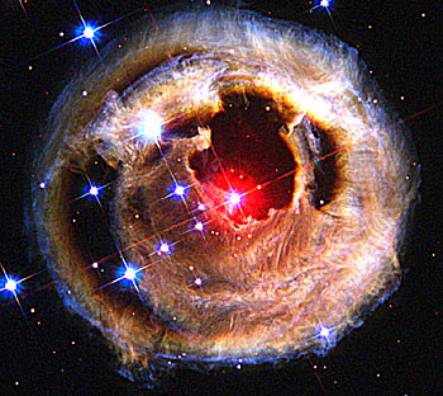
Eighth, a beautiful picture called "Starry Night"

In ninth place, two swirling galaxies, the NGC 2207 and IC
2163 located 114 million light-years.

Tenth, we see a fragment of the Trifid Nebula, a stellar cradle to 9000 light-years.

More pictures from Hubble

Current Status of Voyager 1 (102 A-U)

The dwarf planet 2003 UB 313 (Eris)


M16: Eagle Nebula

M57: Ring Nebula
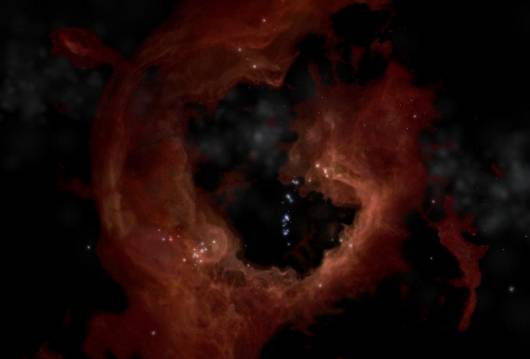
Nebula RCW 79
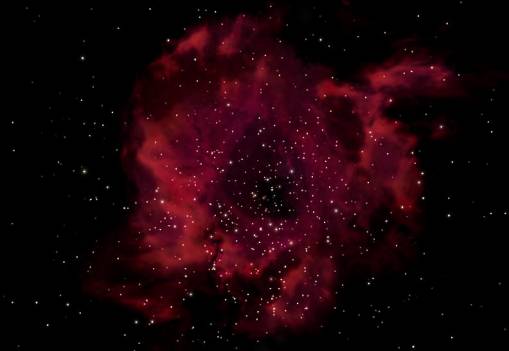
NGC 2237: The Rosette Nebula

M42: Orion Nebula
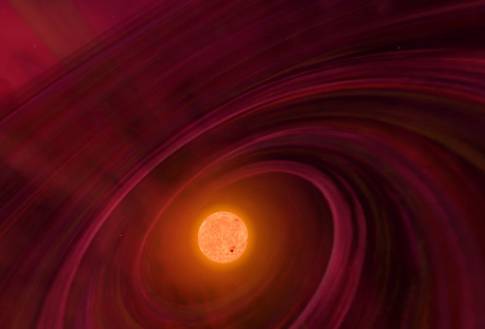
Proto-star

Milky Way (the red mark indicates our Sun)

Black hole

NGC 4414


The Earth with the moon rising
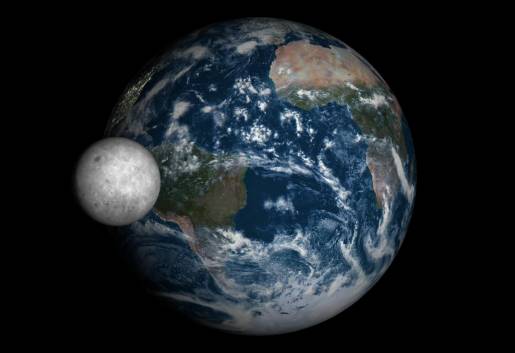
The Earth with the New Moon

The Earth with the Full Moon

The Sun with the atmosphere

Atmosphere without the sun
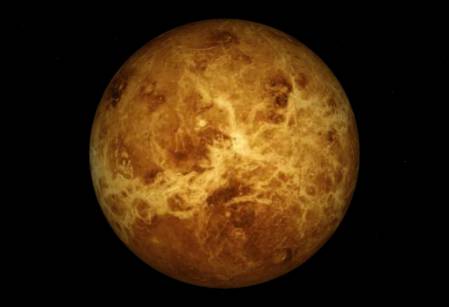
Venus cloudless

Venus with clouds

Mercury

Mars

Phobos and Deimos in orbit around Mars

Jupiter